
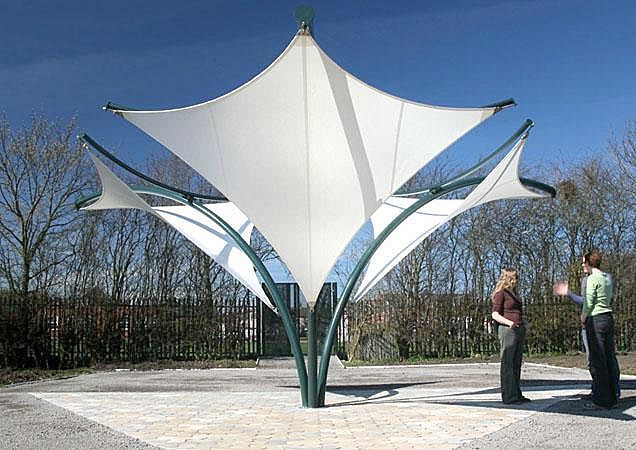
Tensile structures represent one of the most innovative and visually striking forms of architectural design. Recognized for their lightness, efficiency, and aesthetic appeal, these structures rely heavily on the principles of tension and geometry. As opposed to traditional compressive structures, such as arches and beams, tensile structures make use of materials that are stretched taut to bear loads. These principles form the foundation of a fascinating discipline in civil engineering and architecture.
What Are Tensile Structures?
A tensile structure is a type of construction where the primary load-bearing elements are in tension, rather than compression. The key idea behind tensile design is that the forces applied to the structure stretch it, as opposed to compressing it. These structures usually consist of a fabric or membrane material, supported by cables, rods, or tensioned steel, that forms a visually light and flexible structure. Popular examples include modern tensile roofs, stadiums, tensile canopies, and even large-scale public art installations.
Basic Engineering Principles
-
Tension and Compression: Unlike conventional buildings, which often rely on materials like steel or concrete to resist compression, tensile structures function by distributing loads through tension. This tension is absorbed by the fabric or membrane, which is often a durable, flexible material such as PVC-coated polyester or PTFE-coated fiberglass. The tension in the material works to balance and distribute forces across the entire structure.
-
Form-Finding: A fundamental principle of tensile structure design is “form-finding.” This is a process where the structure’s shape is determined based on the forces it will experience. Engineers begin with the material properties and boundary conditions, using computational techniques to simulate the deformation of the structure under load. The goal is to achieve a form where the material is in equilibrium under the applied forces, maximizing structural efficiency while minimizing material usage. The resulting shapes often resemble smooth, flowing curves or domes.
-
Pre-stressing and Post-tensioning: Pre-stressing is a technique used to create tension in the structure before any load is applied. This is particularly important in tensile structures, as pre-stressing increases the material’s capacity to withstand external forces. Similarly, post-tensioning involves applying tension after the structure has been partially erected, which provides additional strength and stability. By introducing internal forces, these methods ensure that the tensile structure remains stable even in the face of external loads, such as wind or snow.
-
Material Selection: The materials used in tensile structures are paramount to their performance. Modern tensile fabrics are selected not only for their strength and flexibility but also for their durability under environmental stress. These materials need to maintain their form and strength under various weather conditions, UV exposure, and temperature fluctuations. The most common materials are coated fabrics like PVC and PTFE, as well as steel cables and rods, which provide the necessary tensile strength to hold the structure in place.
-
Structural Efficiency: One of the most important aspects of tensile structures is their efficiency in terms of material usage. The use of tension means that event tents Saudi can span large distances with relatively minimal material, compared to traditional structures that require large amounts of mass and material to resist bending or compression. This leads to cost-effective, lightweight, and aesthetically pleasing designs.
Applications of Tensile Structures
Tensile structures have found widespread application in many areas of modern architecture. From stadiums and exhibition halls to airports and bridges, these structures provide a unique blend of functionality and beauty. Some notable examples include the Sydney Opera House, the Eden Project, and the Beijing National Aquatics Center. Their ability to span vast areas without requiring excessive materials makes them ideal for covering large spaces, such as sports arenas or outdoor concert venues.
Conclusion
Tensile structures represent an exciting intersection of architecture and engineering. By harnessing the principles of tension, form-finding, and efficient material use, these structures offer a remarkable solution to modern design challenges. Their lightweight, durable, and aesthetically pleasing qualities make them a popular choice for a range of applications in both functional and artistic domains. Understanding the engineering principles behind tensile structures enables architects and engineers to push the boundaries of design, creating innovative spaces that stand the test of time.
