
Oil and gas drilling operations present significant risks to personnel, equipment, and the environment, yet remain essential to global energy production. Through the implementation of advanced technologies and rigorous best practices, the industry continues to improve both safety standards and operational efficiency. This comprehensive examination explores the critical hazards faced in drilling operations, the technological solutions mitigating these risks, and the environmental considerations shaping modern practices in the sector.
Critical Safety Hazards in Drilling Operations
The complex nature of drilling operations creates numerous potential hazards requiring careful management. Fire and explosion risks stem from the combination of heavy machinery, high-pressure systems, and flammable materials present on drilling sites. Chemical exposure represents another significant concern, with workers potentially encountering hazardous substances like benzene, lead, and mercury without proper protective measures and monitoring systems in place.
Physical hazards include falls from wet or poorly maintained surfaces, injuries from heavy equipment, and health risks from extreme weather conditions. The remoteness of many drilling locations compounds these dangers, making rapid emergency response challenging. These operational realities necessitate comprehensive safety protocols and continuous monitoring to protect both workers and the surrounding environment from potential harm.
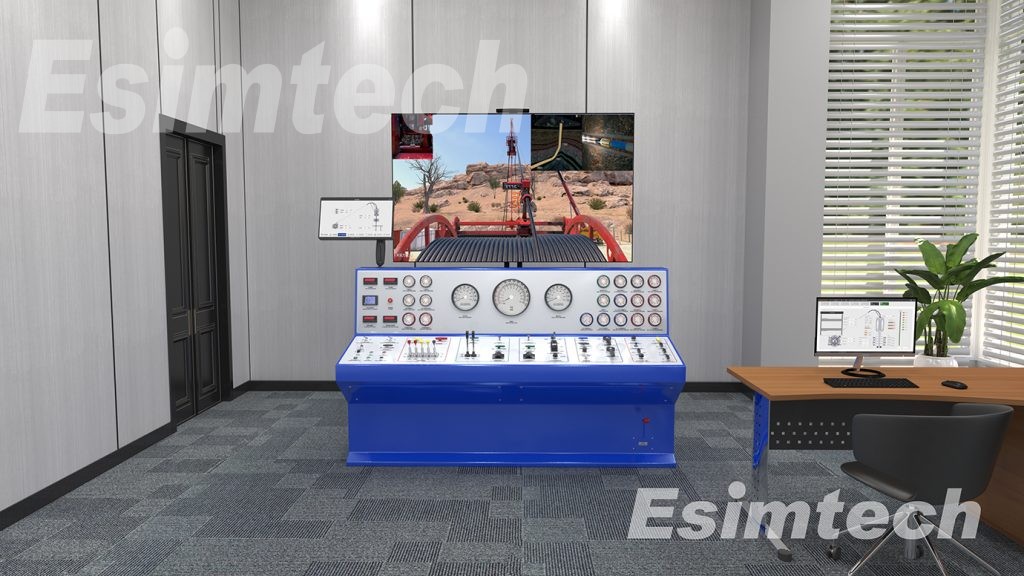
Modern Oil Rig Simulators play a crucial role in preparing personnel for these hazards by providing realistic training environments without exposing trainees to actual risks. These advanced systems allow workers to practice emergency responses and operational procedures in controlled settings, building both skills and confidence before they encounter real-world situations.
Technological Solutions Enhancing Safety
Advanced Monitoring Systems
Networked sensors provide real-time data on pressure, temperature, and equipment status, enabling early detection of potential issues before they escalate into safety incidents. These systems significantly reduce reliance on manual checks while improving data accuracy.
Automated Drilling Systems
Precision control systems maintain optimal drilling parameters, reducing human error and equipment stress. These automated solutions adjust operations based on geological feedback, improving both safety and efficiency.
Well Control Equipment
Modern blowout preventers (BOPs) and hydraulic control systems provide fail-safe mechanisms for well containment. These critical components can seal wells under extreme conditions, preventing catastrophic incidents.
| Technology | Safety Benefit | Efficiency Impact |
|---|---|---|
| Smart Sensors | Early fault detection, equipment monitoring | Reduced downtime, predictive maintenance |
| Robotics | Reduced human exposure to hazards | 24/7 operation in high-risk areas |
| Virtual Reality | Enhanced training without risk | Faster competency development |
| Drones | Remote site inspections | Rapid data collection |
Operational Best Practices
Comprehensive Planning
Detailed geological surveys and well-specific engineering designs form the foundation for safe operations. Thorough planning includes contingency measures for potential complications during drilling.
Preventive Maintenance
Rigorous equipment maintenance schedules prevent unexpected failures. Condition-based monitoring systems complement scheduled maintenance, addressing issues before they impact operations.
Communication Protocols
Clear communication channels between all personnel ensure coordinated operations. Regular safety briefings maintain awareness of potential hazards and emergency procedures.
The integration of Oil Rig Simulators into training programs has revolutionized safety preparation, allowing personnel to experience complex scenarios without real-world consequences. These systems provide measurable performance metrics, helping identify areas needing improvement before workers enter active drilling sites.
Environmental Considerations
Drilling operations face increasing scrutiny regarding their environmental impact, particularly concerning air emissions, water usage, and land disturbance. Regulatory frameworks worldwide continue to evolve, requiring operators to implement more stringent controls and monitoring systems. Advanced drilling techniques like directional drilling reduce surface footprint, while improved waste management systems minimize contamination risks.
Sustainable practices such as green completions capture emissions that would otherwise be flared, and the use of renewable energy sources for operations reduces overall carbon footprints. Environmental impact assessments now form an integral part of project planning, ensuring all potential effects receive proper consideration before operations commence. These measures demonstrate the industry's commitment to balancing energy production with environmental stewardship.
The Future of Safe Drilling Operations
Continued technological advancement promises further improvements in drilling safety and efficiency. Artificial intelligence applications analyze operational data to predict potential issues, while automation reduces human exposure to hazardous conditions. The development of more robust materials and equipment designs enhances reliability under extreme operating conditions.
As the energy transition progresses, these safety technologies and practices will prove equally valuable in emerging sectors like geothermal drilling and carbon sequestration. The knowledge gained from decades of oil and gas operations provides a strong foundation for developing new energy solutions with safety and efficiency as core principles from their inception.
