
Healthy hair depends on much more than the products you apply to your scalp. Nutrition, genetics, hormones, stress, sleep, illness, and hair-care habits can all affect how your hair looks and grows. Biotin, also known as vitamin B7, is one nutrient commonly associated with hair health.
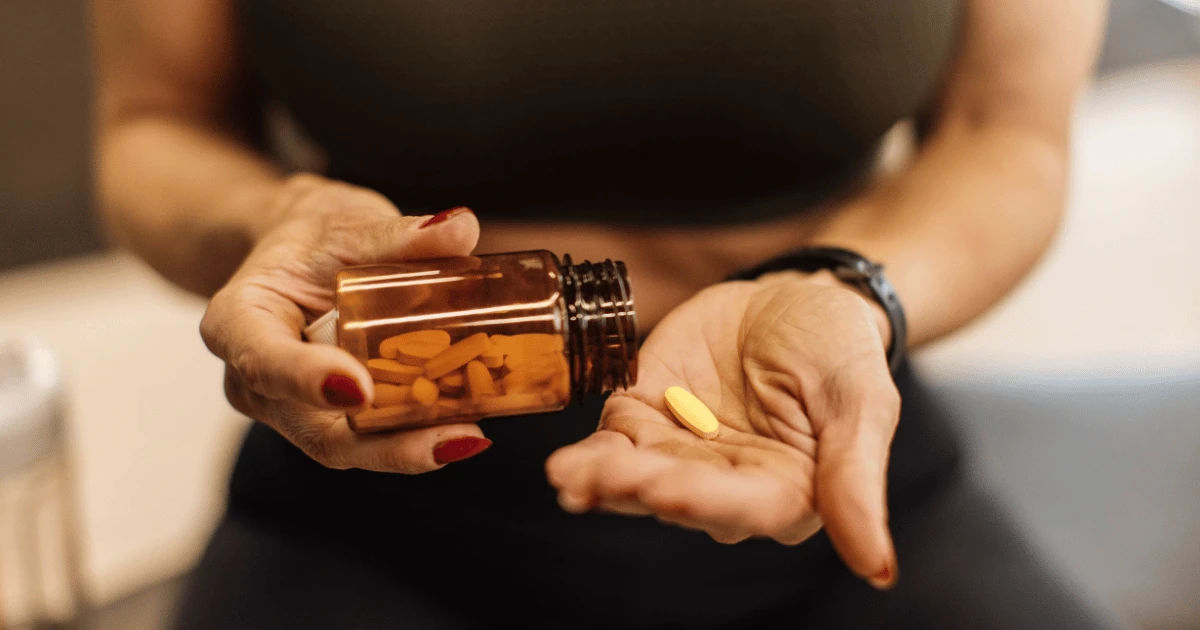
The Biolife biotin Supplement is marketed as a convenient way to add biotin to your daily routine, particularly for people interested in supporting hair, skin, and nail health. Biolife currently lists a Duetin softgel containing 2,500 mcg of biotin per softgel, although its product range also includes a separate 5,000 mcg biotin product.
The important point is that biotin should not be treated as a magic hair-growth pill. Biotin deficiency can contribute to hair thinning and hair loss, but true deficiency is uncommon in healthy people who eat a varied diet. Research also does not provide strong evidence that taking high-dose biotin automatically makes healthy hair grow faster or thicker.
What Is Biotin and Why Is It Associated With Hair?
Biotin is a water-soluble B vitamin that helps the body process carbohydrates, fats, and proteins. These functions are important because hair follicles need adequate nutrition and normal cellular activity to maintain healthy hair production.
Biotin became strongly associated with hair care because hair thinning and hair loss can occur when someone has a significant biotin deficiency. However, this does not mean that taking extra biotin will necessarily improve hair in someone who already gets enough. The National Institutes of Health notes that evidence supporting biotin supplements for hair health remains limited.
This distinction is easy to overlook. If a person has a genuine nutritional deficiency, correcting it may help address related symptoms. If the person is already getting adequate biotin, taking considerably more does not necessarily produce an additional hair-growth benefit.
he Biolife Biotin Supplement
Before using any supplement, check the exact product label rather than relying on the name alone. Biolife's current product listing for Duetin Softgels states that each softgel contains 2,500 mcg of biotin and is intended to support hair, skin, and nail health.
That amount is substantially higher than the adequate intake for adults. The NIH lists 30 mcg per day as the adequate intake for adults, while also explaining that most people obtain enough biotin through food.
This does not automatically mean that the product is unsafe. However, it does mean that you should not assume that more biotin is better.
If you are using a different Biolife biotin product, check its packaging carefully because Biolife also lists a 5,000 mcg product. The dosage instructions may therefore differ depending on the exact product you purchased.
How to Use Biolife Biotin Supplement for Hair Care
Follow the Product Label
The safest starting point is to follow the dosage instructions printed on the specific Biolife product you have.
Do not automatically increase the amount because you want faster hair growth. Taking additional capsules or tablets does not guarantee better results, and high-dose biotin can interfere with certain laboratory tests.
For example, if your product recommends one softgel daily, taking several softgels per day simply because your hair is shedding is not a sensible approach.
Take It Consistently
If you decide to use a biotin supplement, consistency is more useful than taking it occasionally.
A practical routine is to take the supplement at approximately the same time each day. Some people prefer taking supplements with breakfast or another regular meal because it makes them easier to remember.
Biotin is water-soluble, so it does not need to be taken with a fatty meal in the same way that some fat-soluble vitamins do. The main goal is establishing a routine that you can follow without repeatedly forgetting doses.
Do Not Expect Overnight Results
Hair grows slowly. Even when a nutritional problem is contributing to hair changes, improvement is not something you should expect after a few days.
Give your overall hair-care routine time to work. More importantly, judge your results realistically. Look for changes in breakage, hair strength, and general condition rather than expecting dramatic new growth within a week or two.
If your hair loss is significant, continuing a supplement indefinitely without investigating the cause is not a good strategy.
Build a Hair-Care Routine Around Nutrition
A supplement works best as part of an overall healthy routine rather than as the foundation of hair care.
Eat Enough Protein
Hair is largely made from a protein called keratin. Your diet therefore matters.
Include sensible sources of protein such as eggs, fish, dairy products, beans, lentils, chicken, meat, nuts, or other suitable foods. A highly restrictive diet can make it more difficult to obtain the nutrients your body needs.
Include Biotin-Rich Foods
You can obtain biotin naturally from foods. Eggs, fish, meat, nuts, seeds, and certain vegetables can contribute to dietary biotin intake. Most people consuming a varied diet can obtain adequate amounts.
This is one reason I would not view a supplement as a replacement for good nutrition.
A capsule is convenient, but it cannot compensate for a consistently poor diet, inadequate protein intake, or major nutritional deficiencies.
Protect Your Hair From Excessive Damage
Hair care also happens outside the body.
Repeated high-heat styling, aggressive brushing, tight hairstyles, frequent chemical treatments, and rough handling can increase breakage. If your hair seems thinner, distinguish between actual hair loss from the scalp and hair snapping along the length.
Using less heat, avoiding excessively tight hairstyles, and handling wet hair gently can make a noticeable difference to hair appearance.
Can Biolife Biotin Supplement Stop Hair Fall?
This is where expectations need to be realistic.
Biotin deficiency can cause thinning hair and hair loss. However, biotin deficiency itself is rare, and there is limited evidence that biotin supplementation improves hair growth in otherwise healthy people who are not deficient.
Hair shedding has many possible causes. Stress, hormonal changes, illness, nutritional deficiencies, certain medications, hereditary hair loss, scalp conditions, and other medical issues can all contribute.
Therefore, taking biotin without investigating persistent hair loss may delay finding the actual cause.
If your hair is suddenly falling out in large amounts, you develop bald patches, your scalp becomes painful or inflamed, or the problem continues for a prolonged period, speak with a qualified healthcare professional or dermatologist.
When Should You Take Biotin?
There is no special time of day that makes biotin dramatically more effective for hair growth.
The most practical approach is to choose a time you can consistently remember. Breakfast is convenient for many people, while others prefer taking supplements with lunch or dinner.
If the product label gives specific instructions, follow those instructions.
You also do not need to take multiple biotin products simultaneously. For example, combining a high-dose biotin supplement with a multivitamin that already contains substantial biotin can unnecessarily increase your total intake.
Important Safety Considerations
Biotin Can Affect Laboratory Tests
One of the most important things to understand about high-dose biotin is that it can interfere with some laboratory tests.
The NIH specifically warns that biotin supplements can produce falsely abnormal results in certain tests, including some tests involving hormones and other biomarkers.
This matters because a person may not feel any different while the laboratory result is affected.
Always tell your doctor, nurse, or laboratory professional that you are taking Biolife biotin Supplement, particularly before blood testing. Do not simply stop prescribed treatment or medication without medical advice.
Be Careful During Pregnancy or Breastfeeding
Pregnancy and breastfeeding can change nutritional requirements, and the NIH notes that marginal biotin deficiency may occur during pregnancy.
That does not mean you should independently take a high-dose hair supplement during pregnancy or breastfeeding.
If you are pregnant, trying to become pregnant, or breastfeeding, discuss supplements with your healthcare professional before using a high-dose biotin product.
Check Other Supplements
Look at the labels of your multivitamin, hair gummies, collagen products, and beauty supplements.
It is surprisingly easy to consume the same vitamin from several products without realizing it. A simple supplement list can help prevent unnecessary duplication.
Common Mistakes to Avoid
One common mistake is assuming that hair loss automatically means biotin deficiency. It does not.
Another mistake is increasing the dose because results are not immediate. Hair biology does not work like that. Taking more of a nutrient does not necessarily accelerate the hair-growth cycle.
A third mistake is focusing entirely on supplements while ignoring sleep, diet, stress, scalp health, and hair damage.
Finally, do not assume that every case of hair loss should be treated with biotin. Persistent or unexplained hair loss deserves proper assessment.
How to Get the Most From Your Hair-Care Routine
Think of biotin as one small part of a much larger picture.
Start with a balanced diet and adequate protein. Maintain reasonable scalp hygiene. Limit unnecessary heat and chemical damage. Avoid hairstyles that constantly pull on the roots. Give your hair enough time to show changes before judging whether your routine is helping.
If you choose the Biolife product, use the exact product-specific dosage rather than guessing. Biolife's current Duetin product contains 2,500 mcg per softgel, while its product listings also show a separate 5,000 mcg biotin supplement, so checking the label is particularly important.
Most importantly, do not confuse a supplement's marketing claims with strong clinical evidence. The NIH states that there is currently little scientific evidence supporting biotin supplementation for improving hair health in people without deficiency.
Frequently Asked Questions
Can I take biotin every day for hair care?
Biotin supplements can be taken according to the directions on the specific product, but high-dose daily use should not automatically be assumed to be necessary. Most people obtain adequate biotin from food, and evidence for additional hair benefits in people without deficiency is limited.
How long does biotin take to work for hair?
There is no reliable timetable because results depend heavily on why the hair problem exists in the first place. If a person has a genuine deficiency, correcting the nutritional problem may help, but someone without deficiency should not expect guaranteed or rapid hair growth from supplementation.
Can I take biotin with other hair supplements?
It depends on the ingredients and doses in the other products. Check labels carefully to avoid unnecessarily duplicating biotin or other nutrients. If you take several supplements or prescription medicines, discussing the combination with a healthcare professional is sensible.
Is more biotin better for hair growth?
No. More is not automatically better. Biotin deficiency can cause hair problems, but the evidence does not show that high doses provide a guaranteed hair-growth advantage in healthy people who already receive enough biotin. High doses can also interfere with certain laboratory tests.
Should I use biotin if my hair is suddenly falling out?
You should first consider why the hair loss is happening. Sudden or significant shedding can have numerous causes, and treating yourself with biotin alone may not address the underlying issue. A healthcare professional can help determine whether further evaluation is appropriate.
Conclusion
Using a Biolife biotin Supplement for hair care is best approached as a nutritional-support strategy rather than a guaranteed hair-growth treatment. Biotin is an important B vitamin, and genuine deficiency can be associated with thinning hair and hair loss. However, deficiency is uncommon, and current evidence does not show that high-dose biotin reliably improves hair growth in people who already have adequate biotin levels.
The sensible approach is straightforward: check the exact Biolife product you have, follow its label directions, avoid unnecessary dose increases, maintain a nutritious diet, protect your hair from excessive physical and chemical damage, and give your routine enough time to assess its effects.
Most importantly, do not use biotin as an explanation for every type of hair loss. If shedding is persistent, sudden, severe, or accompanied by scalp changes, finding the underlying cause is more important than simply adding another supplement. And because high-dose biotin can interfere with certain laboratory tests, always tell your healthcare professional that you are taking it before blood work.
When used thoughtfully, biotin can be one component of a broader approach to maintaining healthy hair. It should complement good nutrition and sensible hair care—not replace them.
